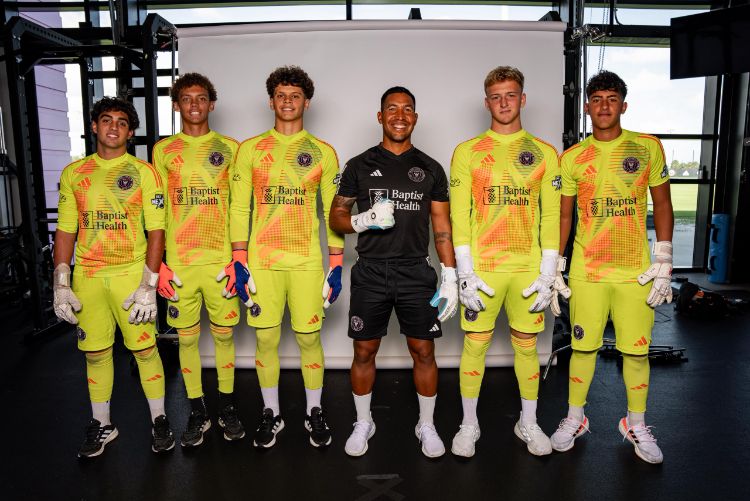
Goalkeeper Mindset: How Ronald Garcès Built Character, Confidence, and Resilience
How to Build Character and Resilience as a Goalkeeper: Lessons from Ronald Garcès
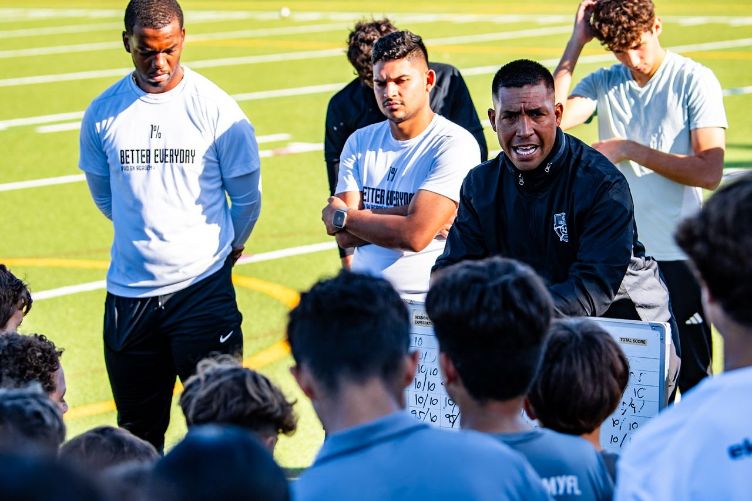
Goalkeepers are judged differently from any other player on the field.
A striker can miss three chances and still become the hero with one goal. A goalkeeper can make ten great saves, but one mistake can define the entire match.
That's why technical ability alone is never enough.
In my conversation with professional goalkeeper Ronald Garcès, one message stood above everything else: the best goalkeepers are built through character before they are recognized for talent.
His journey offers valuable lessons for young goalkeepers, coaches, and parents who want to understand what truly separates players who succeed from those who give up when adversity arrives.
An Unexpected Beginning
Like many professional athletes, Ronald didn't grow up dreaming of becoming a goalkeeper.
He started as an outfield player until an injury to his team's goalkeeper created an unexpected opportunity. What began as a temporary solution quickly became a passion.
More importantly, it introduced him to something unique about the position.
Goalkeepers don't hide.
They accept responsibility.
From that moment forward, Ronald embraced the challenge of becoming the last line of defense, understanding that every decision carried weight. That sense of responsibility would eventually shape both his career and his character.
Character Is Your Greatest Competitive Advantage
When people evaluate goalkeepers, they usually focus on diving ability, footwork, distribution, or athleticism.
Ronald believes something else matters even more.
Character.
Talent might get you noticed.
Character determines how long you stay.
Professional soccer constantly tests your patience, confidence, and emotional control. Injuries, mistakes, competition, criticism, and setbacks are unavoidable. The players who continue growing aren't necessarily the most talented, they're the ones who refuse to stop improving.
Every difficult training session, every mistake, and every challenge becomes another opportunity to build resilience.
Pressure Is Part of the Job
Pressure isn't something goalkeepers should avoid.
It's something they must learn to embrace.
Whether you're competing for a starting position, playing in front of thousands of fans, or trying to earn a college scholarship, pressure will always exist.
Ronald explained that learning to perform under pressure is a skill developed over time.
Confidence doesn't appear on game day.
Confidence is built through hundreds of training sessions where preparation becomes stronger than doubt.
The more consistently you prepare, the more trust you develop in yourself when the game becomes chaotic.
Every Mistake Is a Choice
Every goalkeeper makes mistakes.
The difference is how they respond afterward.
Some players allow one error to affect the rest of the match.
Others reset immediately and focus on the next action.
Ronald emphasized that resilience isn't pretending mistakes don't hurt. Instead, it's accepting responsibility, learning from the moment, and refusing to let one play define your performance.
The next save is always more important than the last mistake.
That mindset separates elite goalkeepers from everyone else.
Adapting to New Challenges
Throughout his career, Ronald had to compete with older players, adjust to new environments, and earn respect every step of the way.
Nothing was guaranteed.
Every new level required him to adapt.
This is one of the biggest lessons for young goalkeepers today.
As the level increases, technical ability becomes more similar across players.
The difference often comes from who adapts faster, learns quicker, communicates better, and maintains composure when circumstances become difficult.
Adaptability isn't simply changing your technique.
It's developing the mentality to grow through uncertainty.
Practical Lessons Every Goalkeeper Can Apply
After listening to Ronald's experiences, several practical lessons stand out.
Train with Purpose
Don't simply complete drills.
Understand why you're doing them and how they connect to the game.
Purpose creates confidence.
Embrace Responsibility
The goalkeeper position demands leadership.
Own your decisions, communicate with confidence, and never hide after mistakes.
Build Mental Strength Daily
Mental training deserves the same attention as physical training.
Visualization, reflection, positive self-talk, and consistent routines all strengthen your ability to perform under pressure.
Learn Faster Than Everyone Else
Every training session provides feedback.
The fastest learners often become the best players.
Growth happens when you're willing to honestly evaluate your performances without losing confidence.
Choose Your Environment Carefully
Surround yourself with coaches, teammates, and mentors who challenge you while supporting your development.
Your environment has a tremendous impact on your mindset and long-term growth.
A Message for Coaches and Parents
One of the biggest takeaways from Ronald's story isn't about making spectacular saves.
It's about helping young goalkeepers become resilient people.
Coaches should create environments where mistakes become opportunities for learning rather than moments of fear.
Parents should recognize that confidence isn't built by removing challenges. It's built by supporting young athletes as they work through them.
Develop the person first.
The goalkeeper will follow.
Final Thoughts
Ronald Garcès' story reminds us that success in goalkeeping isn't built on talent alone.
It's built through resilience, discipline, responsibility, and the willingness to keep moving forward when things become difficult.
Every goalkeeper will experience setbacks.
Every goalkeeper will make mistakes.
But the ones who continue showing up, continue learning, and continue believing in the process are the ones who give themselves the greatest chance to succeed.
Because at the highest levels of the game, character doesn't simply support performance.
It creates it.
