The Reality of College Goalkeeping: Preparation, Standards, and Growth
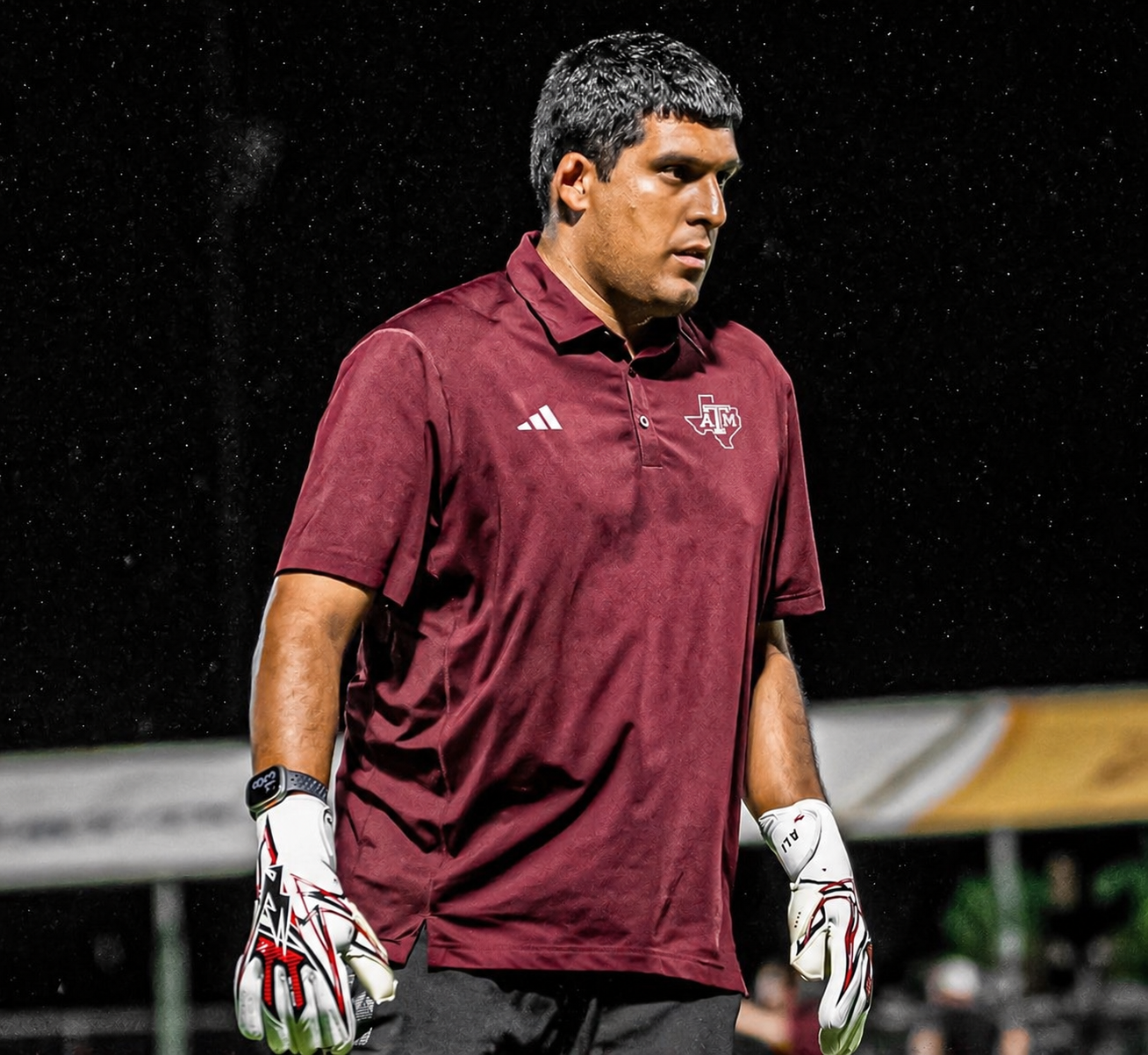
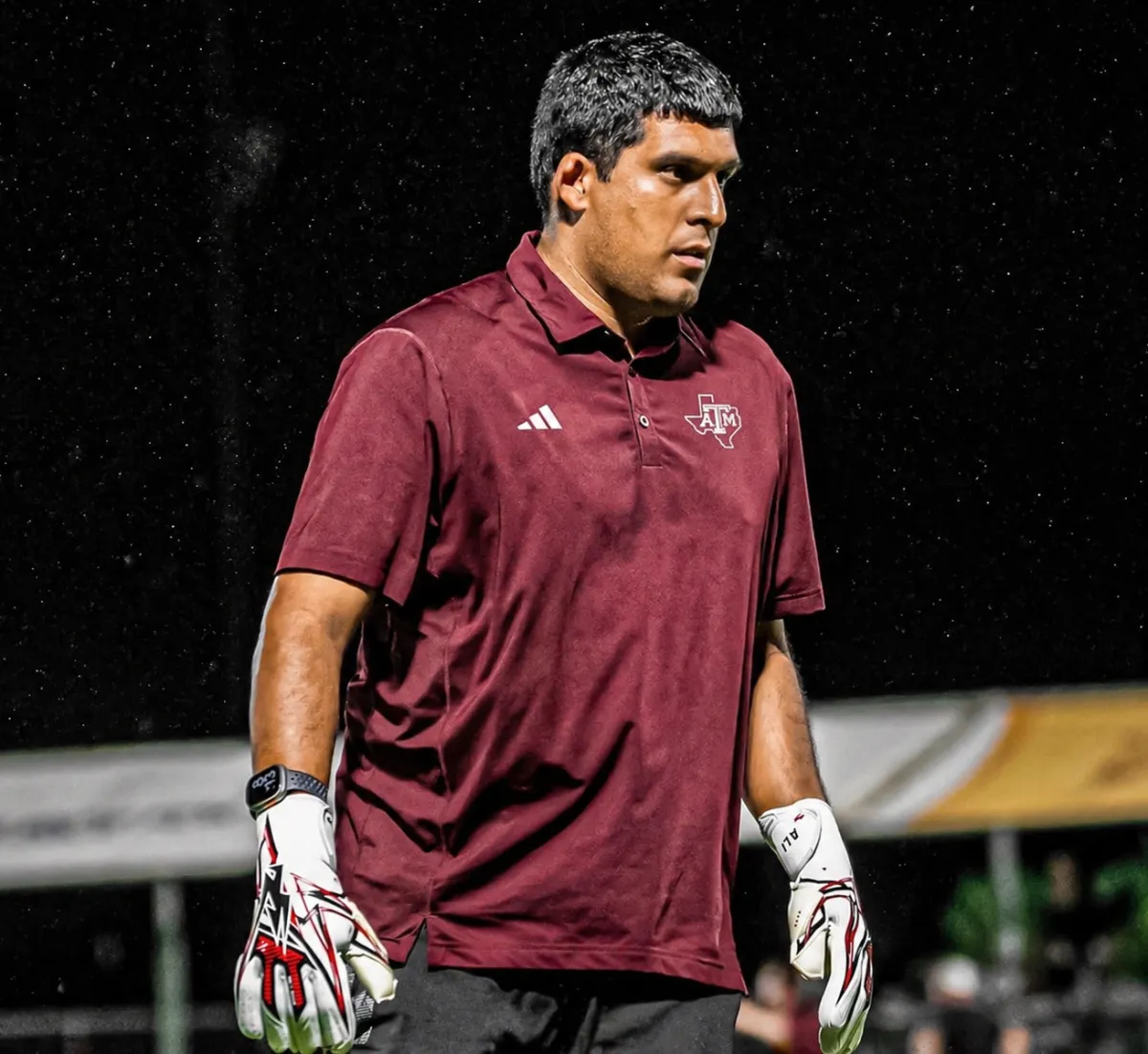
Learn about the path to becoming a successful goalkeeping coach from Ali Hanif, including his journey from player to coach, and essential tips for aspiring athletes.
In the world of soccer, the role of a goalkeeper is often overlooked, yet it is one of the most critical positions on the field. Today, we dive into the journey of Ali Hanif, a seasoned goalkeeper coach currently at Texas A&M University. In this post, we'll explore his experiences, the transition from player to coach, and valuable insights for aspiring athletes. Whether you're a young player aiming for college or a coach looking to improve your skills, this post is packed with wisdom from someone who has navigated the complexities of soccer coaching.
About Ali Hanif
Ali Hanif is the assistant and goalkeeper coach at Texas A&M, with an extensive background in both playing and coaching. Starting his coaching journey at Mid-American Nazarene University, he has worked his way up through various prestigious programs, including Illinois State University, California State Bakersfield, and Arizona State University. His coaching experience spans over 17 seasons, reflecting a deep commitment to the development of young athletes.
Transitioning from Player to Coach
Ali's journey into coaching began unexpectedly when he was introduced to the role at a young age while still playing. "I started coaching at 15, and it was an opportunity I never thought would lead me to where I am today," he shares. His background with Manchester United, where he spent nearly a decade, provided him crucial insights into the coaching world.
Key Lessons from Transition
1. Embrace Opportunities: Ali emphasizes the importance of seizing opportunities. His transition to the U.S. came through a summer coaching program, which eventually led to a permanent role in America.
2. Invest in Development: He highlights how Manchester United invested in his growth as both a player and a coach, a vital aspect for anyone looking to advance in their careers.
3. Continuous Learning: Ali stresses the importance of ongoing education in coaching, whether through formal courses or hands-on experience.
Understanding the Gap: High School to College Soccer
One of the significant issues Ali discusses is the gap between high school soccer and college-level competition. "The speed of play is quicker at the college level, and many players are unprepared for that shift," he notes. Here are some factors that contribute to this gap:
Factors to Consider
- Physical Preparation: Ali points out that many athletes first experience weight training in college, which can hinder their performance. Early exposure to strength training is crucial.
- Game Analysis: Understanding how to analyze one’s performance through video and feedback is often lacking. Players should learn to assess their own games critically.
- Mental Resilience: Balancing academics and athletics is a challenge for student-athletes. Learning to manage time and stress is essential for success.
The Importance of Recovery and Conditioning
Recovery plays a critical role in an athlete's performance. Ali shares insights on how athletes should prioritize their conditioning and recovery techniques.
Tips for Effective Recovery
1. Establish a Routine: Incorporate stretching and recovery practices into daily routines to build resilience against injuries.
2. Utilize Available Resources: Make use of recovery technologies like ice baths and compression therapy to aid in recovery and performance.
3. Sleep Matters: Ali underscores the importance of sleep for both physical and mental recovery, stating that it is often neglected by young athletes.
Conclusion
Ali Hanif’s journey from player to coach offers invaluable insights into the world of goalkeeping and soccer coaching. His experiences highlight the importance of preparation, recovery, and continuous learning for aspiring athletes. As you navigate your own path in soccer, remember the lessons shared by Ali: seize opportunities, invest in your development, and prioritize your well-being.
Want to learn more about effective coaching and athlete development? Check out our additional resources on coaching strategies and athlete performance.
What qualities make a successful goalkeeper coach?
A successful goalkeeper coach should have a deep understanding of the position, excellent communication skills, and the ability to provide constructive feedback.
How can young players prepare for college soccer?
Young players should focus on physical conditioning, game analysis, and mental resilience to ensure they are ready for the demands of college soccer.
Why is recovery important in soccer?
Recovery is crucial for maintaining optimal performance, preventing injuries, and ensuring longevity in an athlete's career.
---
